Property inspection is not just something you do for formality.
It is your chance to see what you are really buying, beyond what the agent or seller wants you to notice.
In the next 5 minutes on this post, you will learn all the most important things to check when inspecting a property for sale.
And, we wrote it for everyday buyers like you, not engineers. You do not need technical knowledge.
And if you’re in a hurry, here’s a quick checklist you can run with:
TL;DR: Quick Checklist for Property Inspection
If you can check all these boxes, the property is probably a good one to buy:
☐ Walls and foundation have no deep cracks
☐ Floors are level, no sinking or hollow tiles
☐ Ceiling has no water stains or sagging
☐ Roof and gutters show no signs of leakage
☐ ALL taps run well and drains flow properly
☐ Toilets flush and refill correctly
☐ ALL sockets, switches, and lights work properly
☐ Rooms are well ventilated and not excessively hot
☐ No mould, damp smell, or water damage spots
☐ Doors and windows lock and open smoothly
☐ Compound has a good drainage network
☐ Road access is good even during rain
☐ Security features are solid and reliable
☐ Property documents are complete and verified
Having this checklist will do you good, but it’s not enough. You have to know what each of these items means as you inspect.
So, I encourage you to keep reading.
Now, let’s take each item one at a time.
10 Things to Check When Inspecting a Property for Sale
Some of the most expensive property mistakes are hidden behind good finishing. Check out these things:
1. Structural Integrity
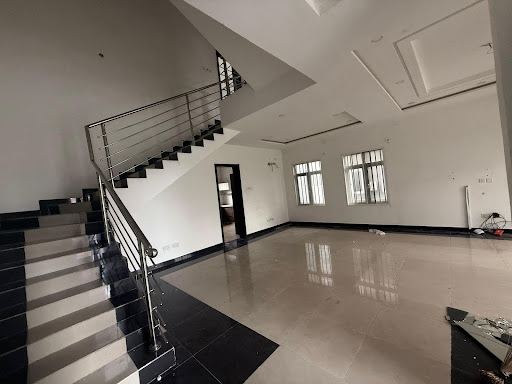
This is the backbone of the property.
If the structure has serious issues, no amount of interior decoration will save you in the long run.
Start by looking at the walls, both inside and outside.
Hairline cracks are common in many Lagos buildings and are not always a big issue.
But deep cracks, especially diagonal ones running across walls or around windows and doors, are warning signs.
They could point to foundation problems or poor construction work.
Check if the floors are level.
In one inspection I attended in Ajah, a buyer noticed that furniture kept tilting slightly. It turned out the building had uneven foundation settlement. Repairs later cost millions.
PRO TIP: Stand in the middle of rooms and feel if the floor slopes or sinks in any area.
Also, look at the ceiling.
Sagging ceilings or water stains often indicate roof leaks or plumbing issues from upstairs bathrooms.
Ask how long the building has been standing and whether any major structural repairs have been done.
2. Roof and Drainage
Ask to see the roof if possible.
If you cannot climb up, look for signs inside the house. Water stains on ceilings, peeling paint, or mould around ceiling corners are clues.
Pay attention to the smell as well. A damp or musty smell often means water has been entering the building for a long time.
Check the gutters and drainage around the property.
- Are they properly installed?
- Do they slope correctly?
3. Electrical Systems
Electrical issues are one of the most common hidden problems in Lagos properties.
Turn on and off switches in different rooms.
Plug in a phone charger or small device to test the sockets.
If lights flicker or sockets feel loose, that is a red flag.
PRO TIP: Ask what type of wiring was used and when it was installed.
Check the distribution board.
- Is it neat or chaotic with exposed wires?
- Does the property have circuit breakers or outdated fuse systems?
- A messy board often means poor workmanship and future safety risks.
Also, ask about the power load capacity.
With air conditioners, water heaters, and inverters becoming common, many older houses were not designed to handle modern electricity needs.
I have seen families move into houses where running two air conditioners at once trips the entire system.
4. Plumbing and Water Supply
Never assume water works fine just because taps are installed.
- Turn on taps in kitchens, bathrooms, and outdoor areas.
- Check the water pressure and how fast water drains.
- Flush toilets and see if they refill properly.
Slow drainage usually means blocked pipes or a poor slope.
Look under sinks for leaks. Small leaks today often become major damage tomorrow.
Nothing pains me more than seeing your wooden kitchen cabinets ruined by slow, unnoticed leaks.
5. Cooling, Ventilation, and Heat Control
Check how well the house is ventilated.
Are there enough windows?
Do they allow cross ventilation?
Rooms that feel hot even in the evening may be poorly designed.
If air conditioners are installed, test them.
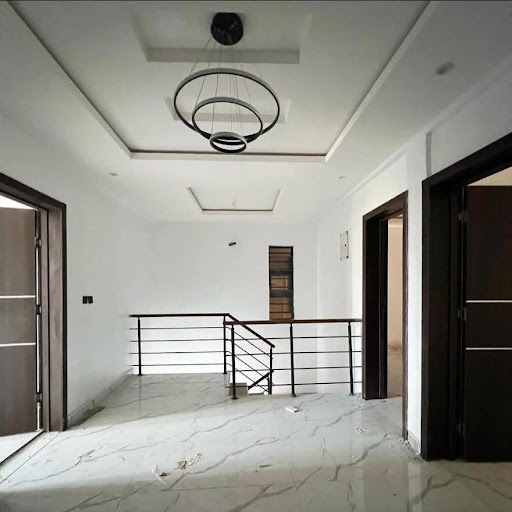
Also, check where outdoor AC units are placed. Poor placement can cause noise issues or water dripping problems.
In older houses, poor ventilation can lead to persistent mould problems, especially in wardrobes and bathrooms.
That is something paint alone cannot fix.
6. Floors, Walls, Windows, and Doors
This is where many sellers focus their efforts because it is what buyers see first.
Walk slowly across all rooms and listen for hollow sounds under tiles.
PRO TIP: Hollow tiles often indicate poor installation and tend to crack later. Look closely at tile alignment and grouting.
Check doors and windows to be sure they open, close, and lock properly.
Also, check wall finishes.
Bubbling paint or peeling areas can indicate dampness beneath.
If you notice any recently painted area, ask why. Sometimes, fresh paint is used to temporarily cover water damage.
7. Safety and Security Features
Gates and fences are not the only things that make a property safe.
Check the condition of stair railings, balcony guards, and any elevated areas.
They should be firm and properly fixed.
Loose railings are dangerous, especially for children.
Ask about security arrangements in the area. Do you pay for vigilante? If it’s a gated estate environment, how’s the entry system?
8. What’s the Neighborhood Like?
A good house in a bad environment can quickly become a regret.
Walk around the compound and the street.
Check how water flows after rain. You can even ask neighbors about flooding history.
In some areas, properties look fine until the rainy season reveals serious access problems
Check road access, too.
9. Moisture and Dampness
Mould usually appears as black or green spots and comes with a pungent smell.
Persistent dampness can damage walls and reduce property value.
Ask if the property has had flooding issues before.
Sellers may not always volunteer this information, so you will need to observe.
10. Documentation and Legal Checks
Finally, this one may not involve physical inspection, but it is just as important.
Ask for land and building documents.
PRO TIP: Title documents should match the property you are inspecting. Confirm approvals, survey plans, and building permits where applicable.
If renovations were done, ask if they were approved.
Unapproved structures can become legal problems later.
Always involve a property lawyer or professional before final payment.
I have covered too many cases where buyers skipped this step and pad the price later.
The Bottom Line…
Let’s even tell ourselves the truth…
Inspecting a property is not about finding perfection. Every house has flaws.
The goal is to understand what you are buying and what problems you are willing or able to handle.
Take your time. Do not rush inspections because of pressure from agents or fear of losing the deal.
A few extra hours can save you years of regret.
Feel free to share this with your colleague who is about to buy any type of property, as well.