
I recently watched a podcast episode on NairametricsTV where the guest brought up the issue of many Lagos landlords now considering shortlets instead of rentals.
Back then, the goal was simple. Find a “serious tenant,” collect one or two years’ rent upfront, and relax.
That mindset has changed.
Across Lagos today, more landlords are quietly withdrawing their properties from the long-term rental market and converting them into short-term lets.
But this shift did not happen overnight.
It grew from economic pressure and lifestyle changes. Also, many landlords discovered they could earn more money in a shorter time.
Let us break down why this is happening.
First, What Are Shortlets vs Traditional Rentals?

Traditional rentals are when a tenant pays rent, usually yearly (sometimes two years upfront).
The landlord hands over the keys and hopes the tenant pays on time, maintains the property, and causes no trouble.
On the other hand, a shortlet is a fully furnished apartment rented for a short period.
It can be one night, a few days, weeks, or a couple of months.
Think of it as a hotel alternative, but in a residential building. The landlord or an operator manages bookings, cleaning, and utilities.
So, When Did Things Start Changing?
Lagos is a city under pressure. The population keeps growing, and jobs are concentrated in a few areas.
And, it doesn’t take you to become an agent to know that housing supply is not keeping up.
Even inflation has driven up building and maintenance costs, as well as basic services like security and power.
For landlords, this means that fixed yearly rent is no longer as comfortable as it used to be.
Let me use a simple example:
In 2021, a two-bedroom flat in Surulere might rent for ₦1.2 million per year. By 2024, that same flat might go for ₦3.5 million or more. Sounds like progress for the landlord, right?
Now factor in repairs and inflation.
Some landlords began asking a simple question. What if I rented this same apartment daily or weekly instead (like an Airbnb)?
That question brought us to where we are now.
5 Reasons Behind the Shift From Rentals to Shortlets
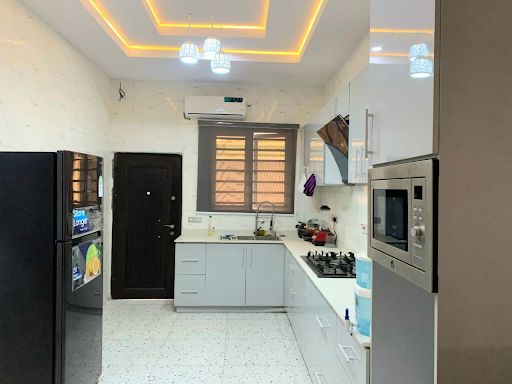
Just so you know, we talk to landlords and property owners a lot at the office.
And here are the real reasons usually uncovered when this matter is brought up:
1. Higher Income Potential Is the Biggest Driver
This is the number one reason landlords are switching to shortlets. The numbers often speak for themselves.
Let us look at a realistic scenario in Surulere.
A decent one-bedroom apartment in Bode Thomas rents for about ₦1.5 million per year. That breaks down to about ₦125,000 per month.
Now convert that apartment into a shortlet.
If it rents for ₦35,000 per night and achieves just 15 booked nights in a month, that is ₦525,000.
Even after cleaning, light, water, and internet, the landlord can still clear more than triple what a long-term tenant would pay.
On the island, the difference is even more dramatic.
In Lekki Phase 1, a two-bedroom shortlet can cost ₦250,000 per night, depending on the furnishings and location.
One busy weekend can equal an entire month of rent from a traditional tenant.
Once landlords see this math in real life, many do not look back.
2. Steady Demand
There is an uncontrollable, real demand for shortlets.
Lagos attracts people constantly.
Business executives, consultants, creatives, oil and gas workers, and diaspora Nigerians visiting home (this post was even written during detty December).
Hotels are expensive and often restrictive.
Many people prefer an apartment where they can cook, host visitors, and feel at home.
In Surulere, I have spoken to landlords whose apartments are booked almost weekly by people attending events at Teslim Balogun Stadium, weddings at popular halls, or training sessions on the mainland.
One landlord near Ojuelegba told me his shortlet is booked mainly by diaspora Nigerians who grew up in the area and prefer familiar surroundings when they visit.
This steady stream of short-stay visitors makes shortlets more reliable than many assume.
3. Flexibility Is a Big Attraction for Landlords
Long-term rentals lock you in.
Once you hand over keys to a tenant, your options are limited.
- You cannot easily increase rent mid-year.
- You cannot quickly repossess the apartment if you want to sell or renovate.
- And if the tenant becomes problematic, eviction in Lagos is stressful and slow.
Shortlets offer flexibility.
A landlord can block dates for personal use. They can renovate gradually. They can adjust prices based on demand.
December prices are different from February prices. That flexibility is powerful in an unpredictable economy.
4. Landlords are Running From Tenant Issues
Ask any landlord about their worst experience, and you will likely hear stories about unpaid rent, damaged property, or compound issues.
Shortlets reduce some of these risks because guests stay for only a brief period.
If there is an issue, it ends quickly.
Even damage is noticed more quickly, and payments are made upfront (with a caution fee in some cases).
Of course, shortlets come with their own challenges, but many landlords prefer short-term issues over long-term headaches.
One Surulere landlord shared that a former tenant stayed for six months after the rent expired.
Court processes dragged on. By the time the tenant left, the apartment needed serious repairs.
After converting the flat to a shortlet, the landlord said he finally “slept better at night.”
5. Youth Culture and Social Media
You don’t even need an analyst to figure out the direct relationship between today’s youth and the boom in short-term lets.
When you think of house parties, team hangouts, and even some young people who prefer nomadic lifestyles, shortlets come to mind.
Also, before now, managing bookings was stressful.
Today, a landlord can list an apartment online and reach guests from anywhere in the world.
Social media has also made shortlets aspirational.
People see clean interiors, stylish furniture, and weekend getaways posted online.
This visibility fuels demand and encourages more landlords to join the trend.
There’s a Negative Side to this Trend…
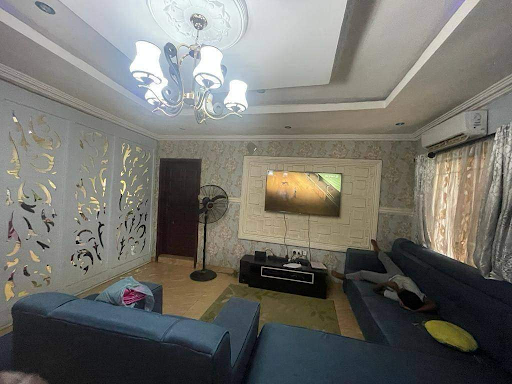
As more landlords convert to shortlets, fewer apartments are available for long-term renters.
This reduced supply pushes rents higher for tenants who need yearly accommodation.
Young professionals, families, and low to middle-income earners feel the pressure the most.
Areas once considered affordable are slowly pricing people out. Flats that used to be popular with civil servants and young couples are now fully furnished shortlets catering to short-stay guests.
This trend raises important questions about housing access in Lagos.
When there are fewer rental options, demand increases. When demand increases, costs go high. And then we complain that renting is expensive.
By the way, here’s the podcast clip I referred to at the beginning of this article:
View this post on Instagram
What’s the Government Doing?
One of the core drivers of the crisis is weak regulation.
Unlike cities such as New York, Barcelona, Berlin, and Amsterdam, where governments have introduced strict rules on short-term rentals, many Nigerian cities have yet to establish clear regulatory frameworks.
A past president of the Association of Town Planning Consultants (ATOPCON), Dr Moses Ogunleye, recently spoke to the Guardian Newspaper on this matter.
He said, “What is usually deployed for short-let purposes is an approved residential building. Therefore, planning laws and regulations cannot, on their own, stop or discourage it.”
He even added that, “The era of unregulated short-let operations, as we have them now, is unsafe, retrogressive and inimical to the country’s socio-economic development.”
In a Nutshell
It’s really not a long matter. Landlord will now keep shifting to shortlets or handling both as long as:
- Demand for flexible accommodation stays strong
- Housing supply remains tight
- The economy remains generally tough.
But the truth is that Lagos cannot survive on short-stay apartments alone.